I still remember the time I spent a full afternoon fighting with a flight booking site. It was supposed to be a simple trip, but the forms, the redirects, the tiny checkboxes I kept missing to it was a war of attrition. That was five years ago. Now, Meta just dropped Muse, their new personal AI agent, and it promises to take those battles off our plate entirely.
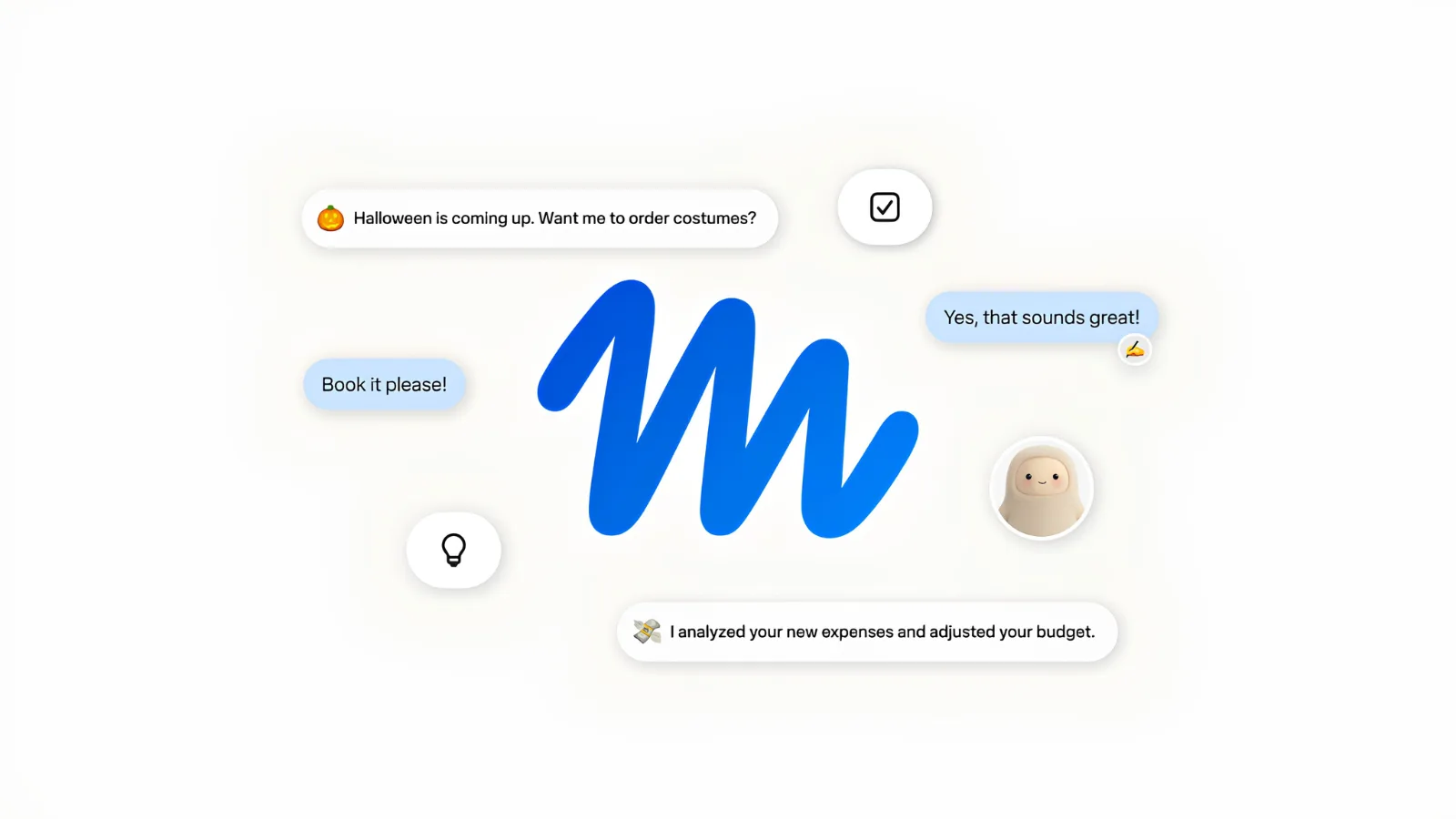
Muse is not just another chatbot. It’s an agent designed to do things. Meta launched it in the US on September 8, 2026, and its ambition is massive: send emails, manage your inbox, book travel, fill out school permission slips, create grocery lists from recipe videos, even negotiate bills and make purchases. This isn't about answering questions; it's about executing multi-step tasks across your apps and the web, working in the background and pinging you only when it needs a decision.
That kind of capability immediately raises a red flag for many. An AI that can manage my life and spend my money? That's a huge leap of faith, especially coming from Meta. But here's where it gets interesting: they've built some serious architecture to earn that trust.
The Agent's Armor: How Muse Was Built
Muse isn't a single model; it's an agent system with layers designed for security and control. At its heart is Muse Spark, Meta’s frontier model for reasoning and planning. But the real ingenuity, the part that gives me pause in a good way, is the execution environment.
Each user gets a dedicated cloud virtual machine, the Muse Secure VM, complete with its own browser, runtime, and storage. This is where Muse actually performs tasks. It’s not running on some shared, wild west infrastructure. Crucially, a separate safety layer called the Sentinel agent controls all network egress and sensitive actions. Muse can’t just freely browse the internet or access your data directly. Sentinel gates and monitors everything.
Even your passwords and OAuth tokens are isolated. Muse sees surrogate tokens, not your raw secrets. Sentinel injects the real credentials only at the boundary when needed. When it interacts with websites, it uses an accessibility tree snapshot, not the raw DOM, which reduces breakage and improves safety. For payments, it uses Stripe Link to generate single-use virtual card numbers, adding another layer of protection. This is not just a chatbot with API access; it's a carefully sandboxed, multi-layered system.
The Uphill Battle for Trust
Despite the robust architecture, Meta faces an uphill battle. You can build all the Sentinel agents and secure VMs you want, but the company's past privacy track record is a shadow over everything. We’re talking FTC settlements, Cambridge Analytica, lawsuits over teen safety. It's a heavy history.
Meta is trying hard, though. They say Muse data and conversations are not shared with ads systems, and you can opt out of training use. There’s even a future plan for a Muse Confidential VM, hardware-encrypted with user-held keys, meaning not even Meta could read its contents. These are strong technical promises.
But internal testing reportedly surfaced issues before the delayed launch, including disconnects and unexpected data uploads. Meta says they only shipped after hitting safety thresholds. I want to believe them. The technology is genuinely impressive, but trust isn’t just about code, it’s about reputation. And that, you have to earn over time, not just ship with a launch event.
What This Means for UK Startups
If you're a startup founder in the UK, Muse isn't here yet; it's US-only for now. But don't ignore it. This is the future of agentic AI, and it's coming.
Preparing for an Agentic Future
Consider how your products and services will interact with personal AI agents. Muse supports public APIs and browser automation. For my own companies, like Placewise AI, the idea of an agent streamlining recruitment screening or handling initial candidate outreach, then handing off to our specialized voice AI, is fascinating. For WiseApply, an agent that could auto-fill job applications or manage follow-ups would be transformative.
- Build APIs and Tools: Design your services so agents like Muse can call them. Think of them as skills for a digital assistant. If your product has a well-defined API, it becomes a potential tool for these agents.
- Agent as a Front-End: Can Muse act as a front-end agent for your users, handling mundane tasks while your backend focuses on the core domain logic and compliance? This offloads a lot of UX complexity.
- Compliance First: This is crucial, especially in the UK. If you integrate with agents that handle personal data or make decisions, you need strong auditability, explicit user consent flows, and clear boundaries around irreversible actions. UK GDPR and consumer protection rules demand this, and any system you build needs to account for an AI agent's actions.
Meta's Muse is a bold step, pushing AI from mere conversation to real-world action. It’s a vision of a truly personal superintelligence, one that handles the tedious parts of our lives. The technical safeguards are there, and they are sophisticated. The real challenge, for Meta, is convincing us that these safeguards are enough to overcome years of privacy concerns. For us as builders, it means recognizing that the era of the autonomous agent is here, and we need to start building for it, trust issues or not. The future, it seems, will be managed by AI. And we better be ready.
I do this kind of work for other teams too. If you need a senior AI engineer on your product, or someone to fix code an AI wrote, here’s how to hire me.
Essays on shipping software and building products. No schedule, no filler.